
 BARISTUNOBy Barista in Pajamas
Espresso ratios, and which one to use
Ristretto, classic, lungo, turbo. They are all the same three numbers arranged differently. Here is what each does and when it makes sense.
Browse all articles 13
Grinders
- Conical vs flat burrs: what actually changes
- Does burr size actually matter?
- Grinder habits that quietly cost you shots
- Grind size by brew method, in microns
Beans
- Roast levels, and why they change how you grind
- Washed, natural, honey: what processing does to the cup
- How long to rest coffee, and how to store it
Espresso
Technique
An espresso recipe is three numbers: how much dry coffee goes in, how much liquid comes out, and how long it takes. Everything else, including the names people give to shots, is a description of how those three relate.
The ratio
Brew ratio is yield divided by dose. Eighteen grams in, thirty-six out, is 1:2. Get in the habit of writing recipes as 18 → 36 in 29s, because that single line is reproducible and "two and a half on the dial" is not.
Weigh the output. Volume in the cup includes crema, which is foam, and its quantity varies with freshness. A scale under the cup is the cheapest accuracy upgrade in espresso.
| Name | Ratio | Character | Suits |
|---|---|---|---|
| Ristretto | 1:1 – 1:1.5 | Thick, intense, sweet, short finish | Darker roasts, milk drinks |
| Classic | 1:2 | Balanced. The default for good reason | Almost anything |
| Lungo | 1:3 – 1:4 | Lighter body, more clarity, more acidity | Light roasts, filter-like drinking |
| Turbo | 1:3 – 1:4 in 20-25s | Coarser grind, fast flow, sweet and clean | Light roasts, high-fines grinders |
Why ratio and roast are linked
Darker roasts are more soluble. You reach the pleasant compounds quickly and then start pulling the bitter ones, so a shorter ratio stops the extraction before that happens. Lighter roasts are less soluble and hold their sweetness deeper into the shot, so they usually need more water passing through to get there.
This is why the same recipe applied to a dark Italian blend and a light Ethiopian will produce one good shot and one bad one, and why "my machine cannot do light roasts" is nearly always a recipe problem.
The turbo shot
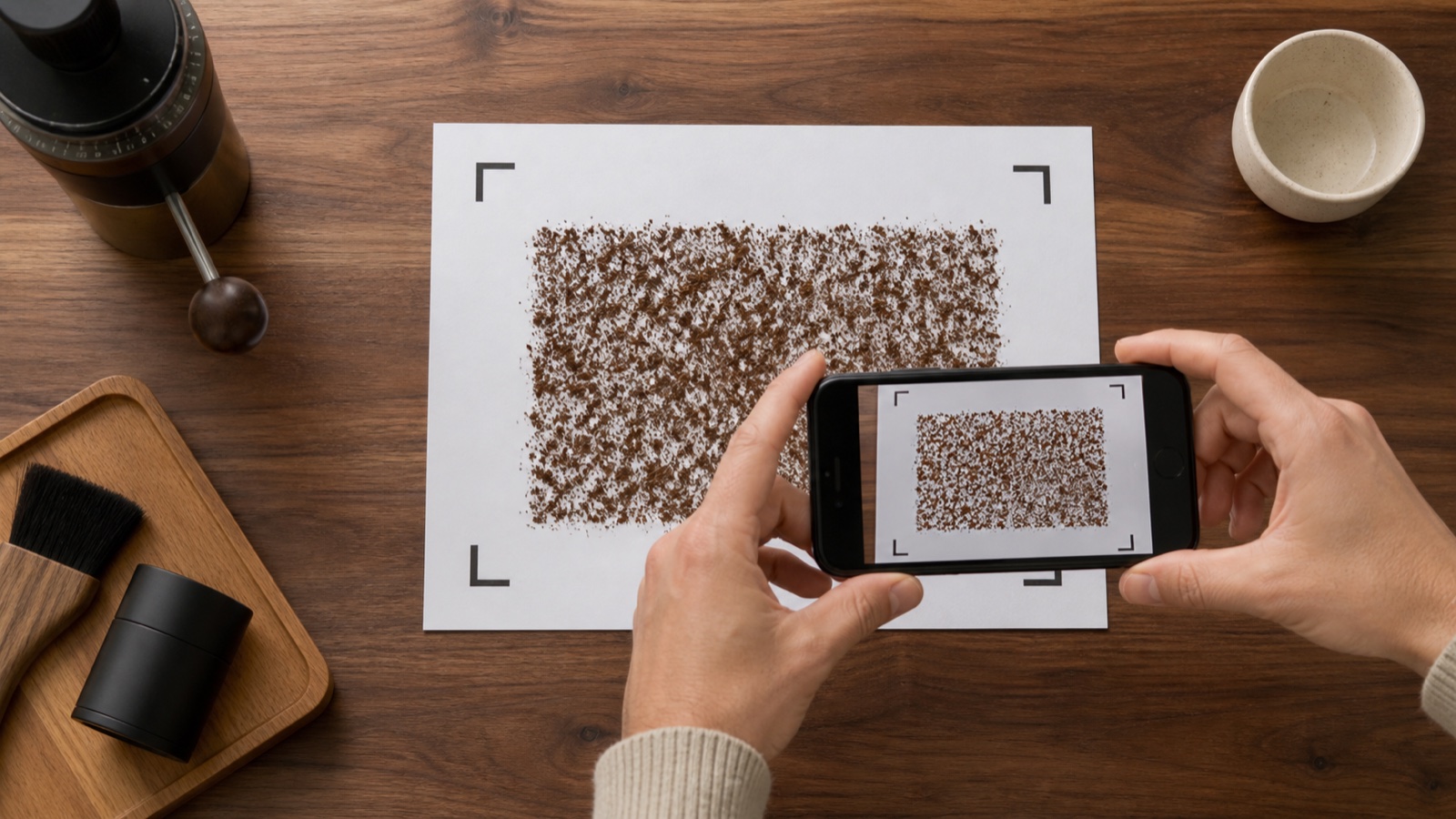
A turbo shot inverts the usual approach: grind noticeably coarser, accept much faster flow, and pull a long ratio in a short time. Because the grind is coarse, there are fewer fines to over-extract, and because it is fast, nothing sits in contact long enough to turn bitter.
It works particularly well on grinders that produce a lot of fines and on light roasts that resist normal extraction. It is worth trying before concluding that you need a new grinder.
Starting recipes
These are places to begin, not answers. Dial from here.
| Coffee | Recipe | Temp |
|---|---|---|
| Dark roast, milk drinks | 18 → 27 in 26s (1:1.5) | 90 °C |
| Medium roast, everyday | 18 → 36 in 28s (1:2) | 93 °C |
| Light roast, modern | 18 → 45 in 30s (1:2.5) | 95 °C |
| Light roast, turbo | 18 → 54 in 22s (1:3) | 95 °C |
Changing the recipe without fooling yourself
Move one number at a time. If you change the grind and the ratio together and the shot improves, you have learned nothing about which did it, and you cannot get back to where you were.
Grind changes flow and extraction. Ratio changes strength and how far into the extraction you go. They are not interchangeable and adjusting both at once hides the effect of each.
Sour and thin? Grind finer or extend the ratio. Bitter and drying? Grind coarser or pull shorter. Fix the grind first, because it moves everything, then adjust ratio to taste.
Log each shot with its ratio and time, rate it, and Brew IQ will read a set of them together and tell you what actually separates the good ones from the rest.
Open the Coffee Journal